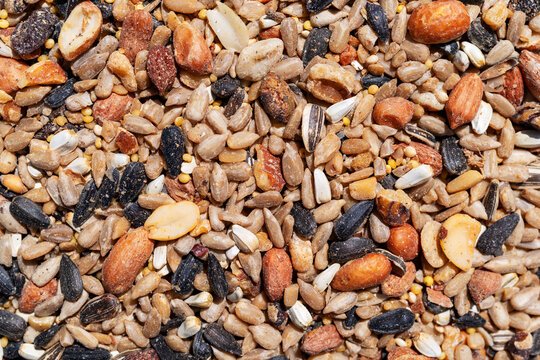
At Bryer Milling LLC, freshness is a core part of how and why we formulate feed the way that we do. As a small-batch feed mill, we focus on ingredient integrity, realistic storage timelines, and consistent formulation.
Table of Contents
- Feed Is Not Shelf-Stable Forever
- Why Large-Scale Feed Is Often Older Than You Think
- What Small-Batch Milling Does Differently
- Freshness Affects More Than Nutrition
- Ingredient Choice and Freshness Go Hand-in-Hand
- What This Means for You
- A More Intentional Way to Feed Livestock
Feed Is Not Shelf-Stable Forever
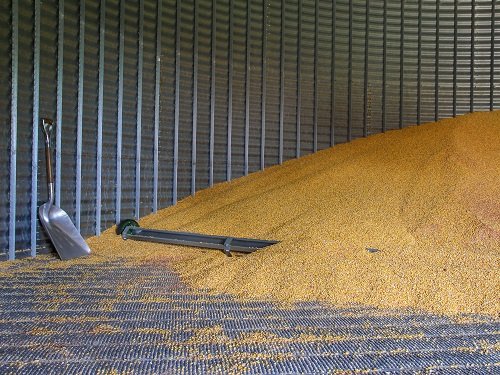
Over time, even dry feeds lose vitamins and nutrient effectiveness due to storage conditions; research shows most vitamins degrade after prolonged storage and need careful management.
Once grains are cracked, rolled, or ground, they’re exposed to oxygen, light, and moisture. From that point forward:
- Fats slowly oxidize (rancidity)
- Vitamins, especially A, D, and E, start to degrade
- Palatability declines
- Fine particles settle, leading to uneven intake
Nutrition imbalances in minerals or intake over time can contribute to issues like urinary calculi, which is why we’ve written in detail about preventing urinary calculi through proper feed formulation.
This doesn’t mean feed suddenly becomes “bad,” but it does mean that nutritional value and consistency decline long before the bag looks or smells off.
Why Large-Scale Feed Is Often Older Than You Think
Most commercial feed is produced in massive volumes, then warehoused, transported, and stored again before it reaches a shelf. By the time it’s opened on your farm, it may already be weeks, or even months, removed from milling.
To compensate, large manufacturers often rely on:
- Heavy vitamin over-supplementation
- Preservatives
- Highly processed ingredients designed for long storage
Those approaches keep feed legally compliant, but they don’t necessarily make it ideal, especially for animals with sensitive digestion, lower intake, or specific nutritional needs.
What Small-Batch Milling Does Differently
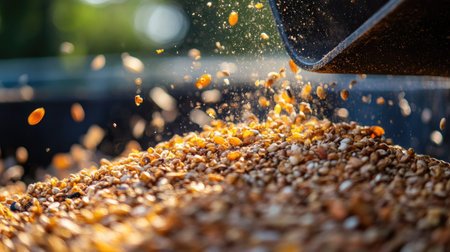
Small-batch milling allows us to prioritize ingredient integrity and consistency, not just shelf life.
Because we mill in smaller runs:
- Ingredients spend less time sitting after processing
- Fats stay more stable
- Vitamin losses are minimized
- Feed texture remains more uniform from bag to bag
The result is feed that animals typically eat more eagerly and waste less of.
Fresh feed retains higher protein and carbohydrate levels, which supports better digestibility and performance compared with older, stored feed.
Freshness Affects More Than Nutrition
Fresh feed doesn’t just deliver nutrients more reliably; it also affects behavior and intake.
Oxidation in stored fats and oils produces free radicals that reduce energy value and palatability, harming intake and performance.
Many livestock owners notice that fresher feed:
- Produces less sorting and refusal
- Reduces fines left in feeders
- Encourages steady, consistent consumption
This is especially important for:
- Poultry that tend to select preferred particles
- Senior animals, whose reduced intake makes nutrient density and consistency more important, something we address more deeply in our article on nutritional needs of senior horses.
Studies show that both lipid and protein oxidation during storage can decrease feed digestibility and increase oxidative stress in animals fed older feeds.
Dietary antioxidants help defend against oxidative stress, further emphasizing the value of fresher ingredients.
Ingredient Choice and Freshness Go Hand-in-Hand
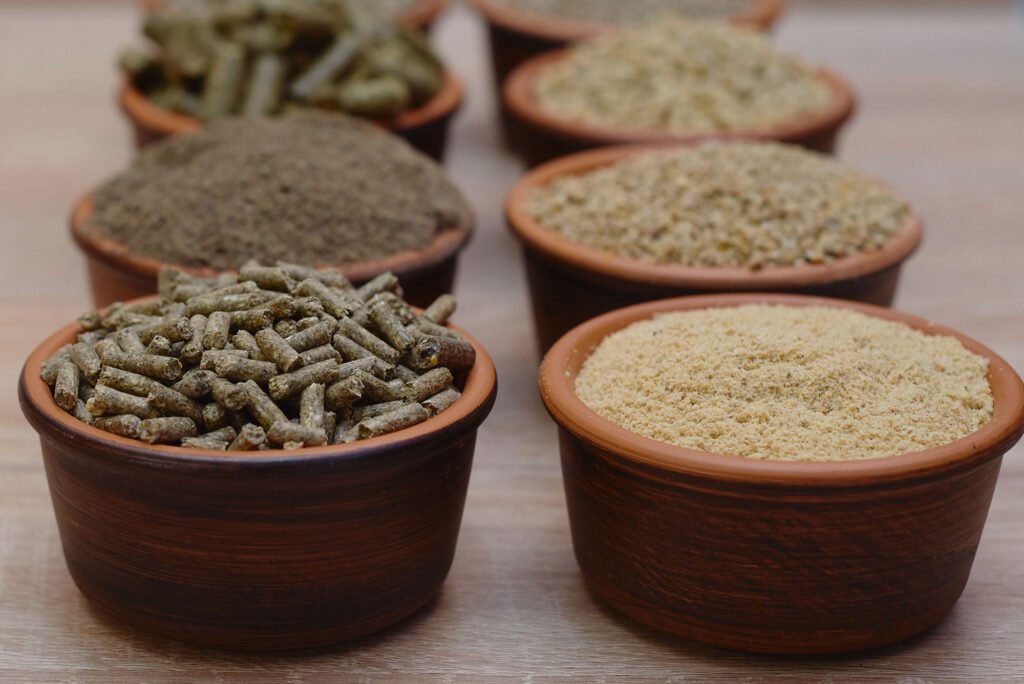
Freshness also gives us flexibility in ingredient selection.
Because we’re not formulating for year-long shelf stability, we can include:
- Fiber sources that support gut health
- Natural fat sources without excessive stabilization
- On-site farmed ingredients, like mealworms, that don’t need extended storage or transport, which we’ve covered in depth when explaining why mealworms make sense in poultry feed.
This allows formulations that are balanced first for animals, not for warehouses.
What This Means for You
When feed is:
- Milled in manageable batches
- Stored carefully
- Formulated with realistic storage timelines in mind
That consistency shows up in:
- Body condition
- Coat and feather quality
- Egg production
- Feed efficiency
- Overall animal health
Furthermore, improper storage can increase mold and mycotoxin risks, which interrupt digestion and animal health if consumed.
Feed freshness also affects how well a formulation performs in mixed-species settings, especially when balancing protein, calcium, and fiber across different birds, as discussed in our guide to nutrition for mixed poultry flocks.
A More Intentional Way to Feed Livestock
We believe livestock feed should be made with the same care you put into managing your animals. Freshness is foundational, and it’s one of the advantages of working with a small, transparent mill.
If you ever have questions about how our feeds are milled, stored, or formulated, we’re always happy to talk through the details. In our experience, informed customers make the best long-term partners.
Looking for a feed formulated and milled with freshness in mind? Explore our complete livestock and poultry feeds at bryermilling.com.