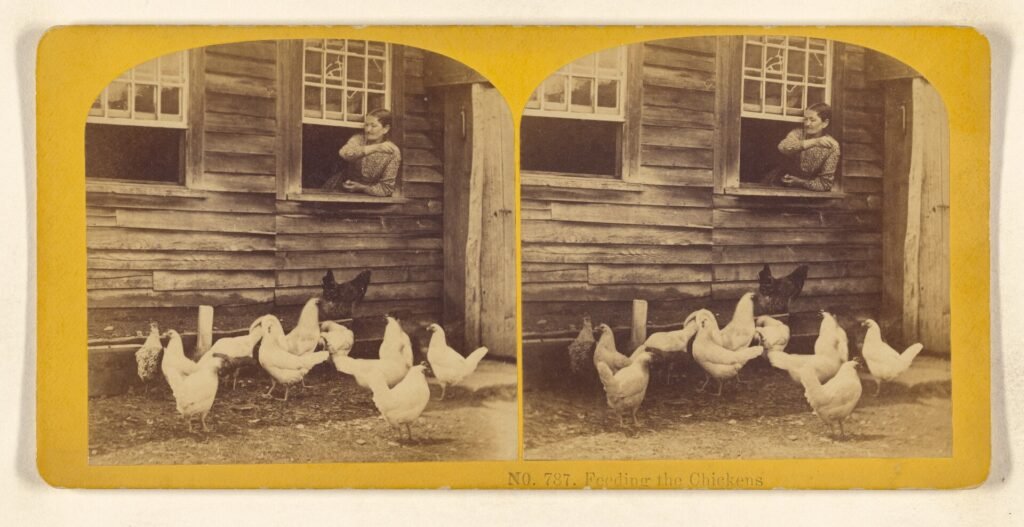
The unique considerations for non-laying poultry.
- Understanding the Nutritional Needs of Non-Laying Poultry
- Risks of High Calcium Diets for Non-Laying Hens
- Nutritional Considerations for Aging Poultry
- The Growing Lifespan of Poultry: A New Challenge
- All-Flock Feed: A Versatile Solution for Mixed Flocks
- Bryer Milling: Championing Poultry Nutrition
- Feeding Strategies for Mixed Flocks with Laying Hens
- Conclusion: Prioritizing Poultry Health Through Proper Nutrition
Proper nutrition is a fundamental aspect of poultry management, essential for promoting health, productivity, and overall well-being among birds. In mixed poultry flocks, where both laying hens and non-laying birds, such as roosters and non-laying hens, coexist, the dietary needs can vary significantly. Understanding the unique nutritional requirements of these different types of poultry is crucial for achieving optimal outcomes in flock development, performance, and overall health.
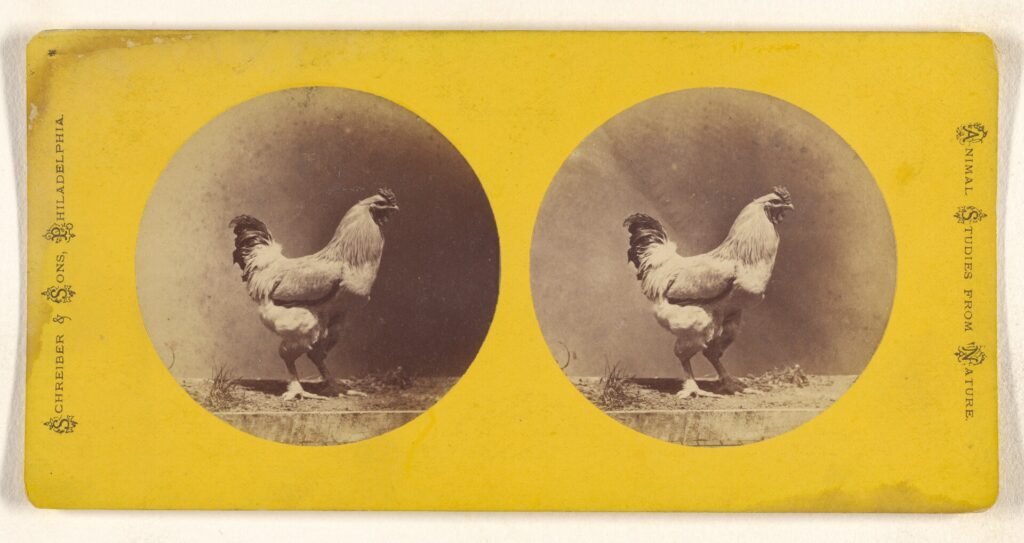
Non-laying birds and roosters often have different energy and nutrient needs compared to their laying counterparts. While laying hens require a high-calcium diet to support eggshell formation and reproductive health, non-laying birds may not need the same level of calcium and can be fed a more general maintenance diet. This difference highlights the importance of formulating a diet that caters to the specific needs of each type of bird in a mixed flock, ensuring that every bird receives the necessary nutrients without excessive supplementation that could lead to health issues.
Additionally, improper feeding practices can pose significant risks to poultry health. For example, feeding non-laying hens a diet intended for layers could result in calcium toxicity, while a lack of essential nutrients such as proteins and vitamins could impair growth and overall health in roosters. When managing a mixed flock, it is vital to recognize these potential dangers and adopt feeding strategies that prioritize the specific dietary needs of all birds present.
Throughout this guide, we will explore the detailed nutritional requirements for non-laying birds and roosters, shedding light on proper feeding practices that promote health and prevent dietary-related issues. By focusing on appropriate nutrition, poultry owners can foster a thriving environment for their mixed flocks, ultimately enhancing both the well-being and productivity of their birds.
Understanding the Nutritional Needs of Non-Laying Poultry
When it comes to caring for non-laying poultry, such as roosters and non-laying hens, it is essential to understand their distinctive nutritional requirements. These birds have differing needs compared to laying hens, primarily because they are not engaged in the egg production process, which necessitates a specific balance of nutrients. Focusing on the optimal health and well-being of these poultry requires a careful analysis of their dietary requirements.
Firstly, non-laying birds require a diet that includes a proper balance of proteins, carbohydrates, vitamins, and minerals. Protein is particularly important as it contributes to overall growth, muscle development, and feathering. While laying hens typically benefit from higher protein levels to support egg formation, non-laying poultry can thrive on slightly lower protein content—typically around 14-16%, depending on their age and breed. Adequate protein sources include soybean meal, fish meal, and various legumes.
Carbohydrates are another crucial element of the diet for non-laying birds. They supply the necessary energy required for daily activities, such as foraging and movement. When selecting grains for mixed poultry flocks, choices such as corn and wheat provide a good balance of energy while also supporting digestive health.
Vitamins and minerals also play a significant role in maintaining the health of non-laying poultry. Vitamins A, D, and E, along with essential minerals like calcium and phosphorus, contribute to immune function and overall vitality. It is critical to incorporate a complete mineral and vitamin supplement to ensure these needs are met, as deficiencies can lead to reduced health and productivity.
In essence, tailoring feeds appropriately for non-laying poultry ensures that they receive the essential nutrients required for their unique needs. This careful nutritional planning helps maintain their health and enhances their overall quality of life within a mixed poultry flock.
Risks of High Calcium Diets for Non-Laying Hens
Feeding non-laying hens high-calcium diets, such as those typically found in layer feed, can pose significant health risks. While calcium is an essential nutrient for poultry, especially for the laying hens that require it for robust eggshell formation, non-laying birds have different nutritional needs. Excessive calcium intake can lead to various medical complications, most notably kidney damage and metabolic disorders.
One of the primary concerns regarding high calcium levels in non-laying hens is its effect on kidney function. The kidneys play a crucial role in excreting excess calcium from the body. When these birds are fed calcium-rich diets, the kidneys may become overburdened, leading to a condition known as hypercalcemia. This condition can result in kidney damage, impairing the organ’s ability to filter waste effectively and regulate bodily functions. Over time, this can lead to more severe health issues, including renal failure.
Additionally, non-laying hens may suffer from metabolic disorders due to an unbalanced diet rich in calcium. An excess of calcium disrupts the absorption of other critical minerals and vitamins, leading to deficiencies in essential nutrients such as phosphorus. This imbalance can result in weakened bones, reduced growth rates, and overall poor health in the flock.
Chicken keepers should be vigilant for signs of calcium excess in their non-laying hens. Symptoms may include lethargy, reduced appetite, abnormal droppings, and difficulty in moving. If any of these signs are observed, it is vital to review the hens’ diet and consult a veterinarian to prevent long-term health issues. Maintaining a balanced diet that meets the specific needs of non-laying hens is crucial for their health and well-being.
Nutritional Considerations for Aging Poultry
As poultry age, their nutritional requirements evolve significantly. It is essential for caretakers of mixed poultry flocks to recognize that the dietary needs of aging birds are different from those of younger birds. This difference primarily arises from changes in metabolism, digestion, and overall health status that occur as poultry progresses through various life stages. Aging poultry often experience a decline in their ability to process certain nutrients, necessitating adjustments to their diets to ensure they receive adequate nutrition and maintain optimal health.
One of the critical nutrients that becomes increasingly important for aging poultry is protein. Older birds generally require higher protein levels to sustain muscle mass and overall health. This nutrient plays a vital role in maintaining immune function and repairing tissues, which can be particularly important for older birds that may experience injuries or health issues. Incorporating high-quality protein sources, such as soybean meal or fish meal, can help fulfill their increased protein needs.
In addition to protein, calcium and phosphorus are essential components of the diets for older poultry, especially for maintaining bone health. As birds age, their bones may become more brittle and susceptible to fractures. Thus, ensuring an appropriate balance of these minerals can enhance skeletal integrity, reducing the risk of injury. Moreover, providing vitamin D3 supports calcium absorption and utilization, further promoting strong bones in aging flocks.
Lastly, it is imperative to consider the impact of long-term dietary habits. Introducing feed innovations, such as easily digestible feeds, can aid older birds in nutrient absorption and maximize their overall dietary intake. Additionally, providing ample fresh water is crucial for all poultry, but it becomes even more significant for aging birds to help mitigate dehydration and support digestive health. By closely monitoring the dietary adjustments and focusing on the essential nutrients, caretakers can promote the longevity and wellbeing of their aging poultry populations.
The Growing Lifespan of Poultry: A New Challenge
In recent years, the poultry industry has witnessed a notable trend: birds, especially non-laying hens and roosters, are living longer than ever before. Traditionally, many chicken breeds were culled after their peak egg-laying ages, typically around two years. However, improvements in husbandry practices, genetics, and overall health management are enabling poultry to thrive well into their older years. As a result, managing mixed flocks that include aging birds has become a new challenge for poultry farmers and hobbyists alike.
The extended lifespan of non-laying birds, including roosters, necessitates a reevaluation of feeding practices to ensure their continued health and productivity. As poultry age, their nutritional requirements evolve, and they often need a diet formulated specifically for their needs. Nutritional deficiencies can lead to various health issues, particularly in older birds whose metabolisms may slow down and whose ability to absorb nutrients can diminish over time. This shift in lifespan and health demands emphasizes the importance of adapting feeding strategies to accommodate the needs of these older animals.
Mixed flocks containing both young and older birds require particularly thoughtful management regarding diet. Older non-laying hens and roosters should receive a balanced nutrition profile that supports their unique physiological demands. Formulas enriched with essential vitamins, minerals, and proteins can help maintain their health and immune function while minimizing the risks of obesity and related complications. It is essential for caretakers to monitor their flock closely, adjusting feed to ensure that both mature non-layers and younger layers receive appropriate nutrition. Thus, addressing the evolving lifespan of poultry is critical for sustaining productivity and overall flock well-being.
All-Flock Feed: A Versatile Solution for Mixed Flocks
All-flock feed has emerged as a practical nutritional solution for mixed poultry flocks, effectively catering to the diverse dietary needs of both laying hens and non-laying birds, including roosters. The formulation of all-flock feed is designed with balanced nutrition in mind, ensuring that each flock member receives essential nutrients crucial for their growth, health, and overall well-being. This type of feed typically contains a blend of grains, proteins, vitamins, and minerals tailored to support the specific requirements of both sexes and various age groups found within a mixed flock.
One of the main advantages of all-flock feed is its versatility. By utilizing a single feed type, poultry keepers can simplify their feeding regimen, eliminating the need for separate feeds suitable for various categories of birds. This not only streamlines the feeding process but also helps in minimizing costs associated with purchasing multiple feed types. Additionally, all-flock feed typically features a protein content between 16% to 20%, which is suitable for maintaining the energy levels of both layers and non-layers, including roosters, without compromising their individual nutritional needs.
Furthermore, adopting an all-flock feeding approach can significantly reduce the risk of dietary imbalances that may arise from using inappropriate feeds for specific birds. It ensures that all members of the flock receive a consistent quality of nutrition, helping to enhance flock health, improve egg production rates in laying hens, and maintain optimal condition in roosters and non-layers. For poultry keepers aiming for efficiency and effectiveness in their feeding strategies, all-flock feed stands out as a convenient and beneficial choice, making it an essential aspect of managing mixed poultry flocks.
Bryer Milling: Championing Poultry Nutrition
Bryer Milling stands at the forefront of poultry nutrition, providing extensive feed formulations that cater specifically to the unique needs of mixed poultry flocks. Recognizing that not all birds within a flock are the same, Bryer Milling has developed high-quality all-flock feed options designed to support the health and performance of both non-laying birds and roosters. This approach ensures that the nutritional requirements of various poultry species are met, fostering optimal growth and wellbeing.
One of the standout features of Bryer Milling’s feed formulations is their balanced composition, which includes essential vitamins, minerals, and proteins tailored to support the diverse physiology of mixed flocks. The all-flock feed options are designed to be easily digestible, promoting better nutrient absorption, which is critical for maintaining energy levels and overall health in both active and non-laying birds. The feed incorporates natural ingredients, minimizing the use of synthetic additives, and catering to the health-conscious perspective of many poultry owners.
Furthermore, Bryer Milling places a strong emphasis on research and development, continuously refining their feed formulations to align with the latest findings in poultry nutrition. This commitment leads to the creation of innovative feed products that not only meet industry standards but also enhance the welfare of mixed poultry flocks. Each formulation is designed to bolster the immune system, thereby reducing the likelihood of disease, which is crucial for the longevity of non-laying birds and roosters.
Moreover, Bryer Milling provides valuable resources and guidelines to poultry owners, ensuring they can make informed decisions regarding feeding practices. By focusing on the specific dietary needs of each bird type within a mixed flock, Bryer Milling champions a practical approach to poultry nutrition that promotes healthy and productive birds, reinforcing their commitment to quality and animal welfare.
Feeding Strategies for Mixed Flocks with Laying Hens
When managing mixed poultry flocks that include laying hens, it is crucial to implement effective feeding strategies that cater to the diverse nutritional needs of the birds. Laying hens require a specific balance of nutrients, particularly calcium, to support optimal egg production. One successful method to achieve this balance is by providing an all-flock feed that meets the basic nutritional needs of both laying and non-laying birds while allowing laying hens to access additional calcium sources as needed.
To effectively supply calcium without overwhelming non-layers, consider offering free-choice oyster shell or aragonite. This strategy allows laying hens to consume extra calcium according to their needs, promoting strong eggshell formation and overall reproductive health. Formulating an all-flock feed with lower calcium levels than traditional layer feeds ensures that non-laying birds are not subjected to excessive calcium intake, which can lead to health concerns.
In addition to providing calcium, it is essential to ensure that all dietary requirements are met for both groups of birds. An all-flock feed should include protein, vitamins, and minerals in the appropriate ratios to support the growth, development, and well-being of everyone in the flock. Monitoring body condition scores of your hens and roosters can help in adjusting the feed formulas and ensuring they are receiving adequate nutrition tailored to their specific needs.
Implementing these feeding strategies can contribute to a harmonious and productive mixed flock environment. By carefully managing the dietary intake of each group, poultry keepers can enhance overall flock health, optimize egg production, and mitigate potential health issues related to improper nutrition. Effective communication with fellow poultry enthusiasts and incorporating tips learned from experienced poultry keepers can also provide additional insights into maintaining a healthy mixed flock.
Conclusion: Prioritizing Poultry Health Through Proper Nutrition
Ensuring proper nutrition is fundamental to the health and productivity of mixed poultry flocks. Throughout this discussion, we have explored the diverse dietary needs of non-laying birds and roosters, emphasizing that these categories of poultry have unique nutritional requirements that must be met for optimal wellbeing. A well-rounded diet not only supports the physiological functions of the birds but also mitigates potential health risks associated with improper feeding practices.
One key point highlighted is the importance of providing species-specific feed that caters to the different metabolic demands of various poultry types within the flock. Such feeds should contain appropriate levels of protein, vitamins, and minerals to promote growth, feathering, and overall health. Digital platforms make it easier for poultry keepers to access tailored feeds that accommodate non-laying birds and roosters, ensuring these birds are not neglected in their nutritional plans.
Furthermore, we have discussed the detrimental effects of a poorly constructed diet, which can lead to health issues such as obesity, nutrient deficiencies, and lowered immunity. Therefore, poultry keepers are urged to monitor their flocks vigilantly, adjusting feeding regimens as necessary to respond to changing nutritional needs, seasons, and production goals.
In light of the information presented, it is clear that a commitment to providing balanced and appropriate nutrition is critical. By implementing the insights and recommendations outlined, poultry keepers can create a more harmonious and healthy environment for their mixed flocks. This proactive approach to nutrition will foster not only the well-being of each bird but also the longevity and productivity of the entire flock. Prioritizing these nutritional needs is essential for any responsible poultry keeper seeking to maintain a thriving mixed flock.
Sources
Feeding Poultry: The Classic Guide to Poultry Nutrition by G. F. Heuser